-

Freezer Burn by Joni Caggiano
Previously published on Chewers Snow had fallen for five days in a row, and we were no longer allowed outside. …
-

“Death in a sleepy forest” by Mykyta Ryzhykh
John, a six-year-old child, touched the black door. It was a blackened door that had once been white, leading from…
-

“A Funny Thing” by Bill Tope
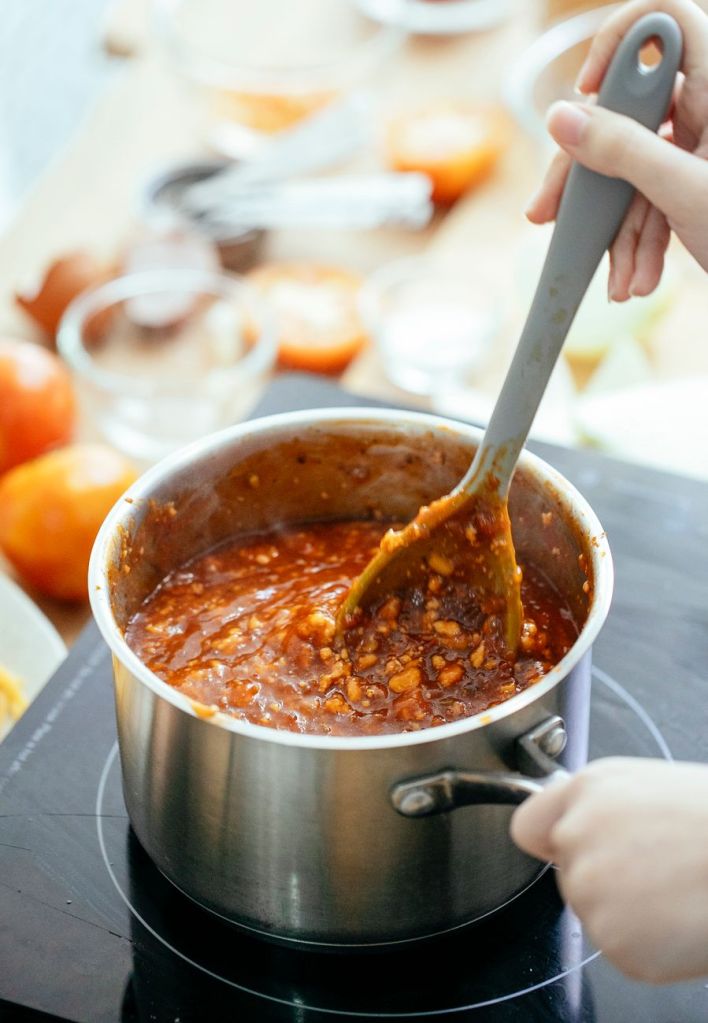
Sequestered in the kitchen of her palatial estate, Molly stood at the stove, stirring a burbling pot of rich, savory…
A short story – Poetry – Bookshelf – Essays – Hotel of the Broken Hearts – Interviews – Contact- English Edition
LatinosUSA Editors: J. Ré Crivello, Nolcha Fox, Michelle Ayón Navajas, Francisco Bravo, Robbie Cheadle, Barbara Leonhard
A Short Story
The Body and Other Sites of Resistance
Sarah Wang discusses her new novel about reality television, plastic surgery, and mother-daughter dynamics.
By Amy Y.Q. Lin by Los Angeles Review of Books

SARAH WANG’S DEBUT novel New Skin (2026) follows Linli, the daughter of a plastic surgery addict, whose life is lived in lockstep with her mother’s latest medical catastrophes. Set in Los Angeles, the book traces an exciting yet disastrous period in their lives, when Fanny, Linli’s mother, joins the cast of a reality TV competition in which botched contestants compete for a complete reconstructive makeover. Though she no longer recognizes her mother’s new face, Linli fights, at the cost of her own sanity, to save Fanny from self-destruction. A source of both hilarity and heartbreak, Linli and Fanny’s mother-daughter dynamic propels the novel’s core concerns about identity and belonging. This page-turner features gritty and intelligent analyses of immigration, Americanism, and deadly beauty standards.
I met Sarah in 2021 in a small workshop of Asian American writers. Her work over the years has intersected meaningfully with the dark twists of today’s culture and values, spanning the “lying flat” counterculture movement, precrime surveillance art, and mass shootings. In mid-April, we talked over Zoom about her interest in class issues, her Angeleno upbringing in a predominantly Chinese neighborhood, and opportunities for repair in families and communities that have perpetuated harm.
AMY Y.Q. LIN: New Skin shines a forgiving light on plastic surgery, humanizing the class issues that motivate people on both sides of illegal back-alley basement procedures. How did you become interested in telling their stories?
SARAH WANG: I always start from a place of lived experience and personal interest in the things that trouble me in life, the world, society. Those always begin with growing up in an immigrant family and thinking about issues related to women, single mothers, and poverty. These concerns can live anywhere in the world of fiction. Somehow I used plastic surgery and cosmetic procedures as the room that all these issues take place in. They’re issues that I write about in all of my work.
I admired how your book pairs scholarly ideas like restorative justice with superficial obsessions. You suggest that beauty can be a kind of resistance, especially when marginalized people are otherwise powerless in this country. They can express their ideas through their faces. Where did this thesis come from?
When you’re talking about people who are marginalized, poor, women—who have little agency—I never want to come from a place of condemning the choices they have to make in order to survive. On a human level, everyone does things that aren’t good for them. Understanding why people make the choices they make is more interesting to me than any kind of value judgment. Although, of course, if you enact violence upon another person, there’s a clear line there. But these people are doing things mostly in terms of getting botched plastic surgery and physically harming themselves. Not necessarily even harming, always, but using their body as a site of resistance, as you say, and manipulation.
Because I begin with Fanny as having this preoccupation with her own body, I was thinking of it as any other kind of addiction that deals with the body—like substance abuse, cutting, and eating. There’s no outside eye that can understand why someone does something with their own life. Often, we don’t even understand why we make the choices we do. She has her own reasons. It’s for no one else to judge. If she feels safer and better inside of one body, then that’s absolutely her autonomy.
I really wanted my characters to be able to do whatever they want with their own bodies, even if it’s not always the best choice, or if it gets them into financial trouble. People always want what everyone has and what’s being advertised to them. Undocumented immigrants and impoverished people wanting plastic surgery is just as valid. Everybody wants it now. It’s not uncommon to keep up with the Joneses. That is our beauty industry now.
I have read several of your essays, and you write grimly on many serious topics. Yet this novel is truly funny, gory, and bizarre. What was the process of figuring out how to balance your seriousness with the entertainment biz of writing compelling fiction?
I realized that I have a lot of strong political ideas about incarceration, women’s labor, marginalized people, class, and poverty. In previous versions of the book—of which there have been many—I tried to lead with the ideas. But that didn’t really work, and I had to write many drafts and work with my two editors. What I realize now is that I had to lead with story. Everything else would just follow. If it wasn’t working, it was always because the story wasn’t right in the timing or the stakes or the pacing. Once I realized this, everything came together. The lesson I take away is that the politics and concern and heartache will all come through because it’s you—your writing, your ideas, and your language. Read More… Published LARB
Reviews / Books recommended by Masticadores

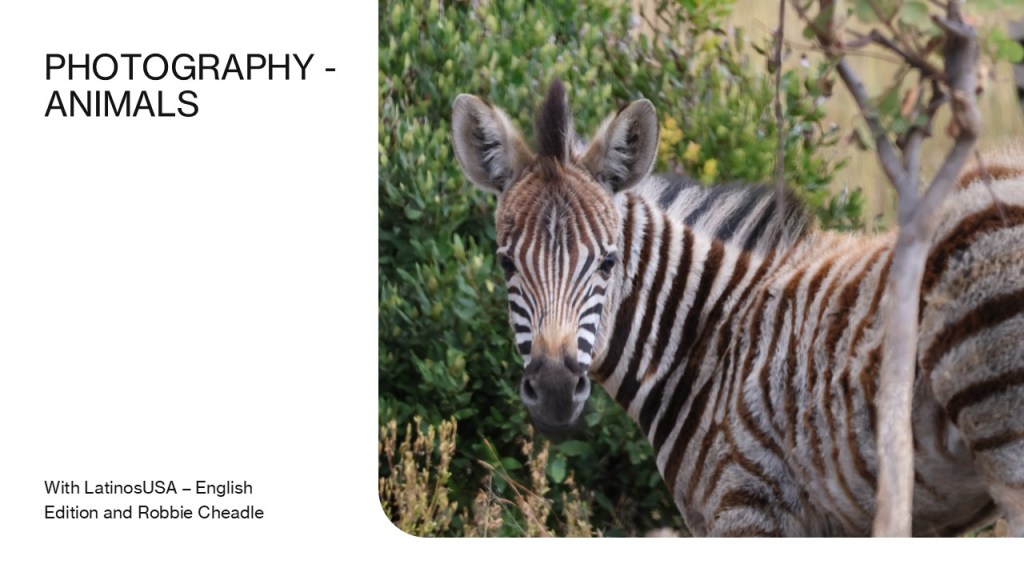
Epicentre South Africa
Editor: Robbie Cheadle

Masticadores —To day —in spanish
- Te ves en el espacio posible que llena una palabra, donde consigues dar forma a cada línea de mi caligrafía. […]
- No sé cuando me di cuenta. Probablemente fuera cuando oí tu voz al otro lado del camino. Casi seguro que […]
- Cruje la luz en la junta de los dedos, donde el tiempo es un testigo ciego, fulgor que la carne […]
Poetry
Editors: Michelle Ayón Navajas, Francisco Bravo Cabrera, J. Re Crivello
-
4 Poems by Carl Bernard Schwartz
Haibun Book Review: Robert Heinlein’s Stranger in a Strange Land While in elementary school, I regularly visited the small library branch nearby to check out…
-
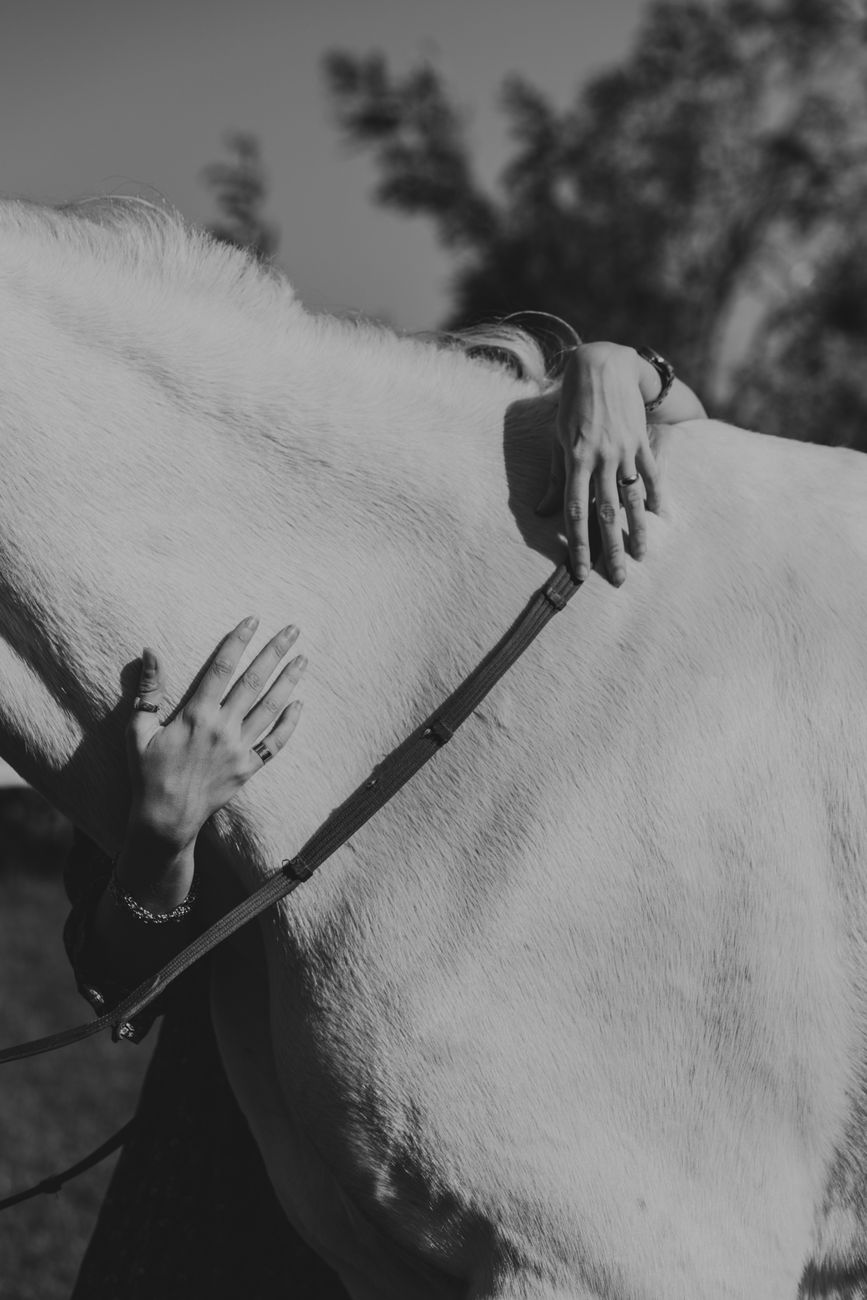
“The Nearby Hand” by Yongbo Ma
That hand lurking in the dim shadedaughter of shadowsigns its name upon a letterwhat does it stand for?love? Scheme, or bitter hatred follow it, and…
-
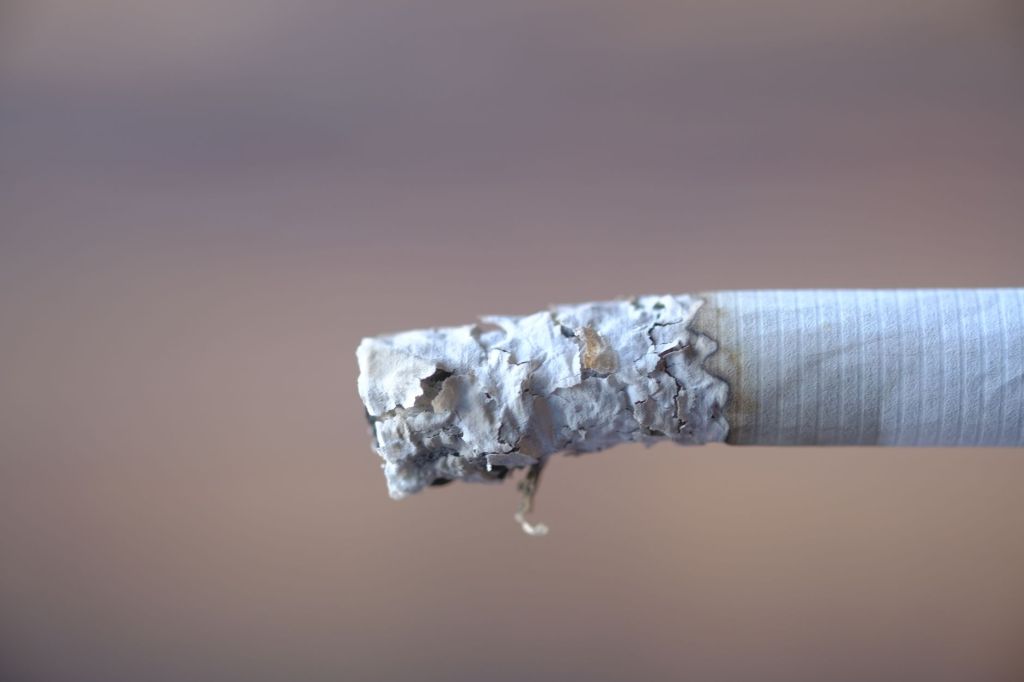
“Beth, Circa 1970” by Bill Tope
It was late December, and the dulcettones of Van Morrison’s “Into the Mystic”played softly on the massive stereospeakers as a gaggle of hippies sprawledacross the…
-

The Art of Grieving by Kushal Poddar
The floral scarf flies far. I stoop. I gather. I turn and see that I have eclipsed you and everyone else with my narcissistic fist…
Little Chews
Editor: Nolcha Fox


Revival
—Barbara Leonhard, Nolcha Fox, and J. Ré Crivello have decided that Revival will feature articles published in older editions of MasticadoresUSA, Chewers, and Latinos. Every Monday, Wednesday, and Friday, this section will feature contributions from over 300 writers we have published since 2023.
-
Poetry by Robbie Cheadle
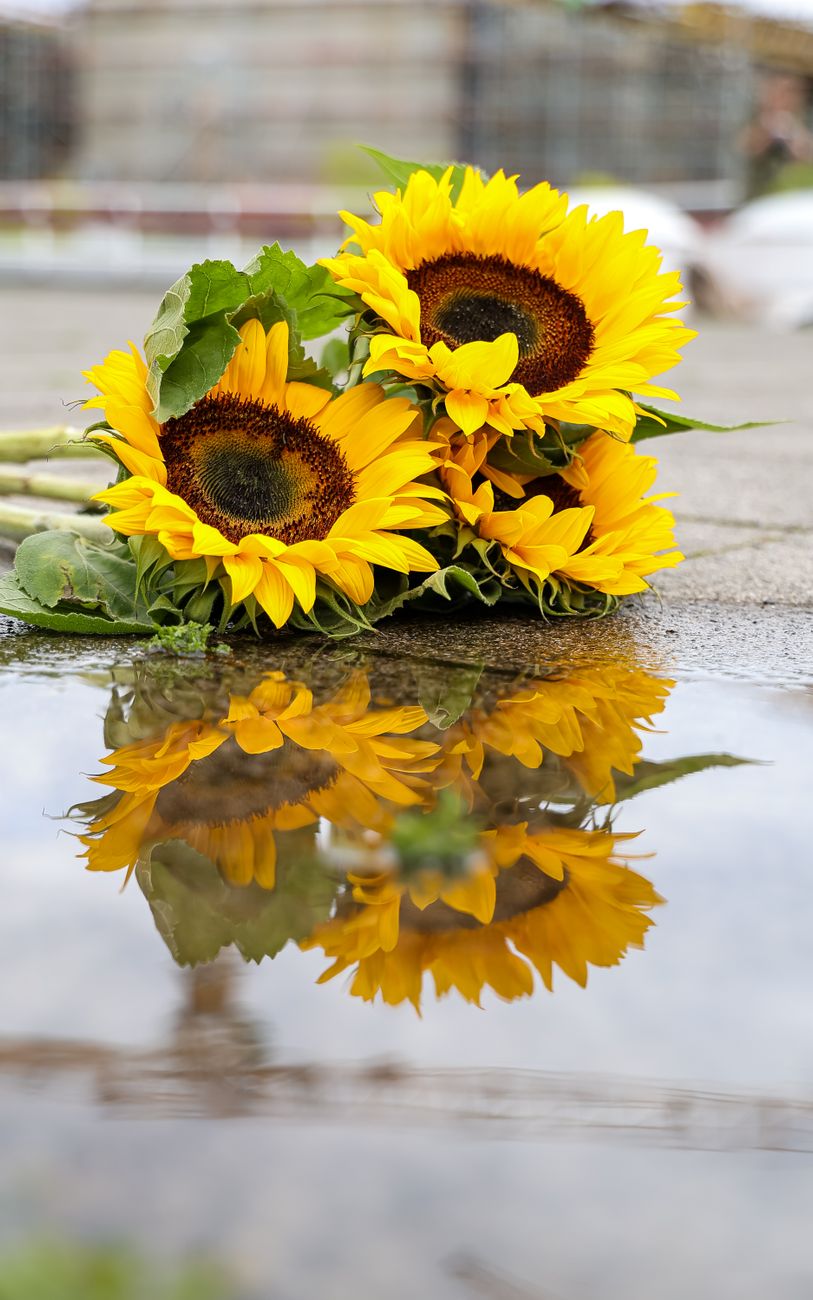
(haiku)First rain, like first tearsOn rosy and youthful cheeksHow it makes them grow Fifty Years in ShoesWhen we come into this life,our feet are tiny, pink and bare,our sweet smiles…
-
Third Door Down by Francisco Bravo Cabrera
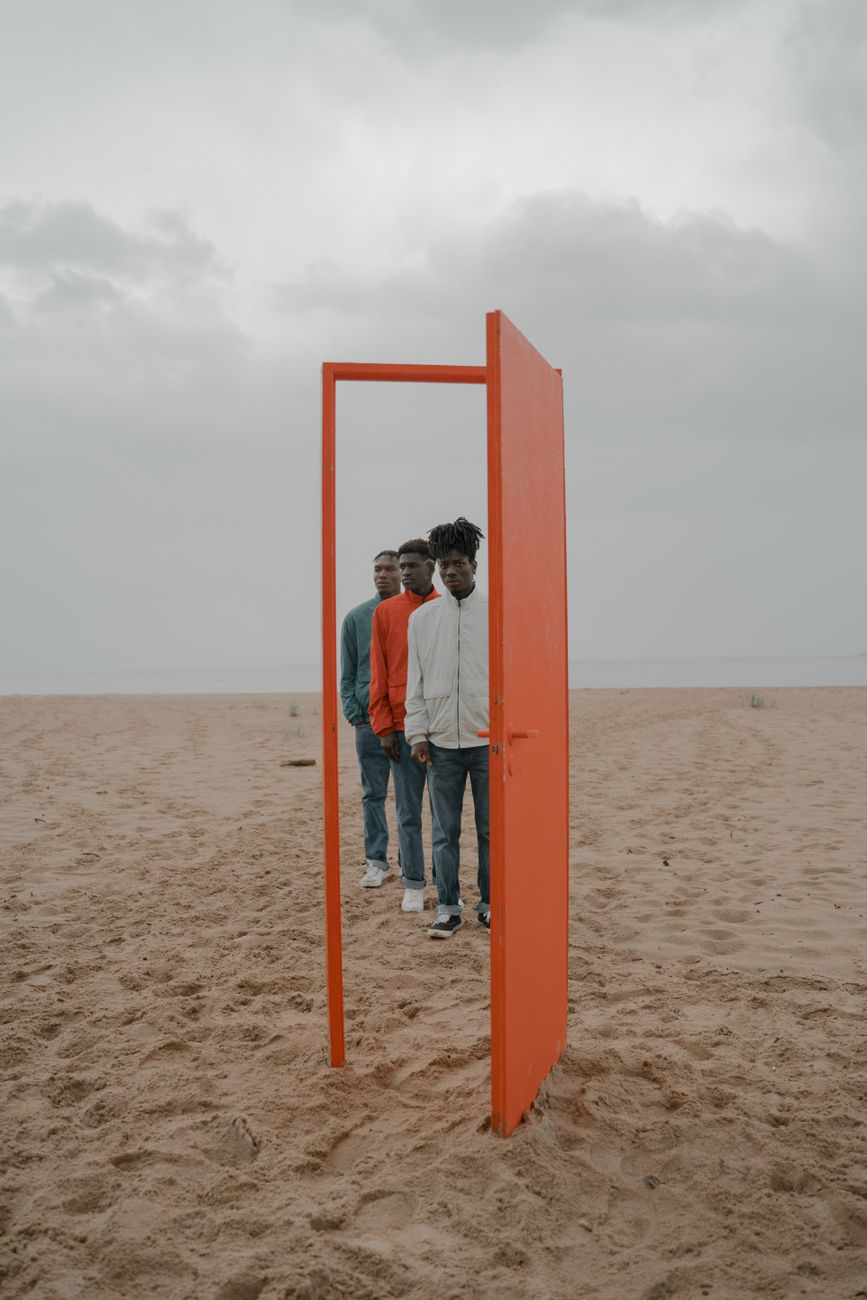
Third Door Down (Listening to Astor Piazzolla: “Cuatro Estaciones Porteñas”) He told me it’s the third door downthe hall with the bad light,“you’ll find the door unlocked,” he said,“In fact, it’s…
-

“Talk” by Wayne F. Burke
How come you do not talkhe asks.I talk, I say; just not to youbecauseyou are kind of a jackassand would not understand me even if I talked for a year,…
Feedback / Essay
Hotel: «Hotel of the Broken Hearts» Editor: Michelle Ayón Navajas
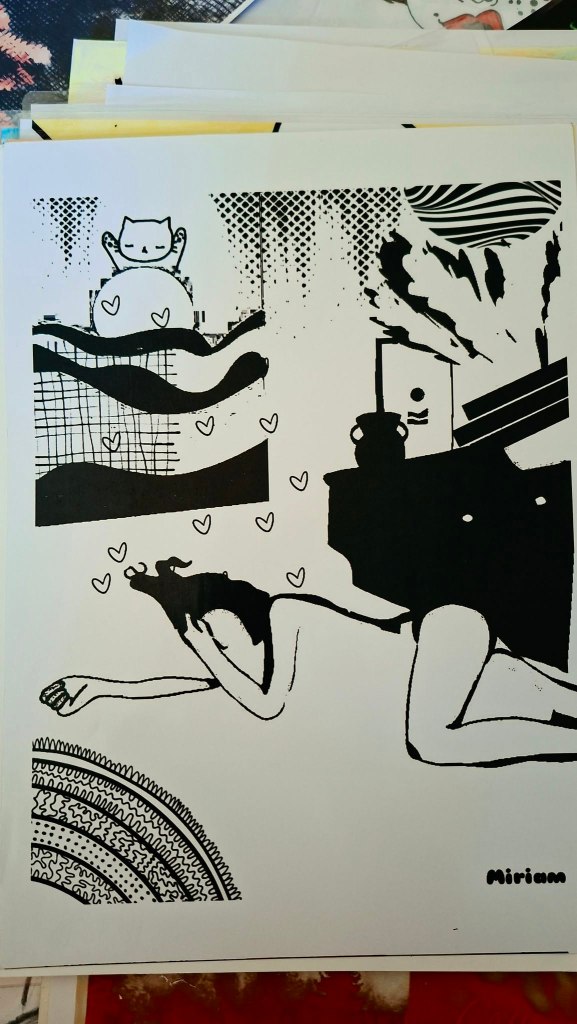
Longing travels to Alina; up close, everything is calm and silent, but from afar, that longing feels more like a missile unleashing volatile emotions into the quiet. She says she can no longer tame the fear, spending time away from her target—her ex-boyfriend, Jânio, whose arms are covered in tattoos. Another striking trait is his punctuality. She remembers him as tall, intelligent, and odd, yet also a caricature of a man. She recalls every fight she had to stub out more fiercely than a cigarette, resting her seduction on the immediate moment and making Jânio more than just the king of the scene.
Thoughts crowd a dark room; a stack of seconds within every second; the taste of metal in her mouth and a few heartbeats in her chest… she realizes that longing makes everything loom so large!
For her, the fear of loneliness is like an arrow flying eternally through the air…
A weary black hat.
At the airport, everyone warms to Alina and her newfound gains: cleaner teeth, fine clothes, a car, and a specter haunting Europe… a key turned in her heart—perhaps for the last time—belonging to Jânio: a tenant who annihilates, clever and bourgeois, bearing no inner scars, his eyes made of ink. He remained a memory, while she kept on living.
Some people sing.
Some people keep the librarian busy.
Some people understand longing.
Some return without ever leaving the same spot.
Alina—dew, a slippery stone, a lime, a primitive poet—hiding behind dark glasses, she doesn’t even know for sure how she stopped loving him so much…
….. Read More…. By MasticadoresHotel
Daily Update from Chewers & MasticadoresUSA
Gobblers / Interviews

MasticadoresCanada Editor: Ray Whitaker (Daily Update)
- At the end of the summer meadow, the shrunken frame twitches like rusted chains, and a shadow lifts its head: […]
- 1 Listen. Quiet now […]
LatinosUSA
Overview
Masticadores.com and masticadoresdeLetras belong to the NGO Masticadores. We promote culture and communication. We publish in eight languages (Spanish, English, Portuguese, Tagalog, Romanian, Italian, French and Catalan). And we publish in twelve countries (France, Italy, Brazil, USA, Mexico, Argentina, India, Taiwan, France, Turkey, Uruguay, Philippines. On 22 blogs. With 24 editors, and 450 writers.
The idea and founder of Masticadores and MasticadoresdeLetras is: Juan Re Crivello.
Raison d’être
We work to promote culture and communication in an environment of freedom and respect for the ideas of all citizens.
Income
The operating costs of the site are funded by members. The editors involved in selecting works for the cover donate their time for the enjoyment that is generated by promoting the work of other artists, photographers and writers.
How we select collaborative work
The site editors review submissions, primarily from email submissions. See the conditions for submissions on each particular blog.
Advertising
Masticadores does not display advertising. Occasionally, artists, photographers or writers may provide links to their work elsewhere. Masticadores does not receive compensation for such links, nor does it endorse or validate them.
If you would like to help cover the cost of running Masticadores and donate you can go to fleminglabworkmail.com.
Cover Illustrations
The images, art or illustrations we use to accompany some of the features on the site are either original works provided by the author to Masticadores for the purpose of illustrating a feature or are pulled from Unsplash or Flickr, or Pinterest, using the «commercial use allowed» filter. Unless the cover author created the illustration, we also provide attribution. Please contact us if you have any concerns about any of the illustrations.
Founder and editor: J. Re Crivello
Contacto:
Email: fleminglabwork@gmail.com
The Hotel by Masticadores
Editor: Michelle Ayón Navajas
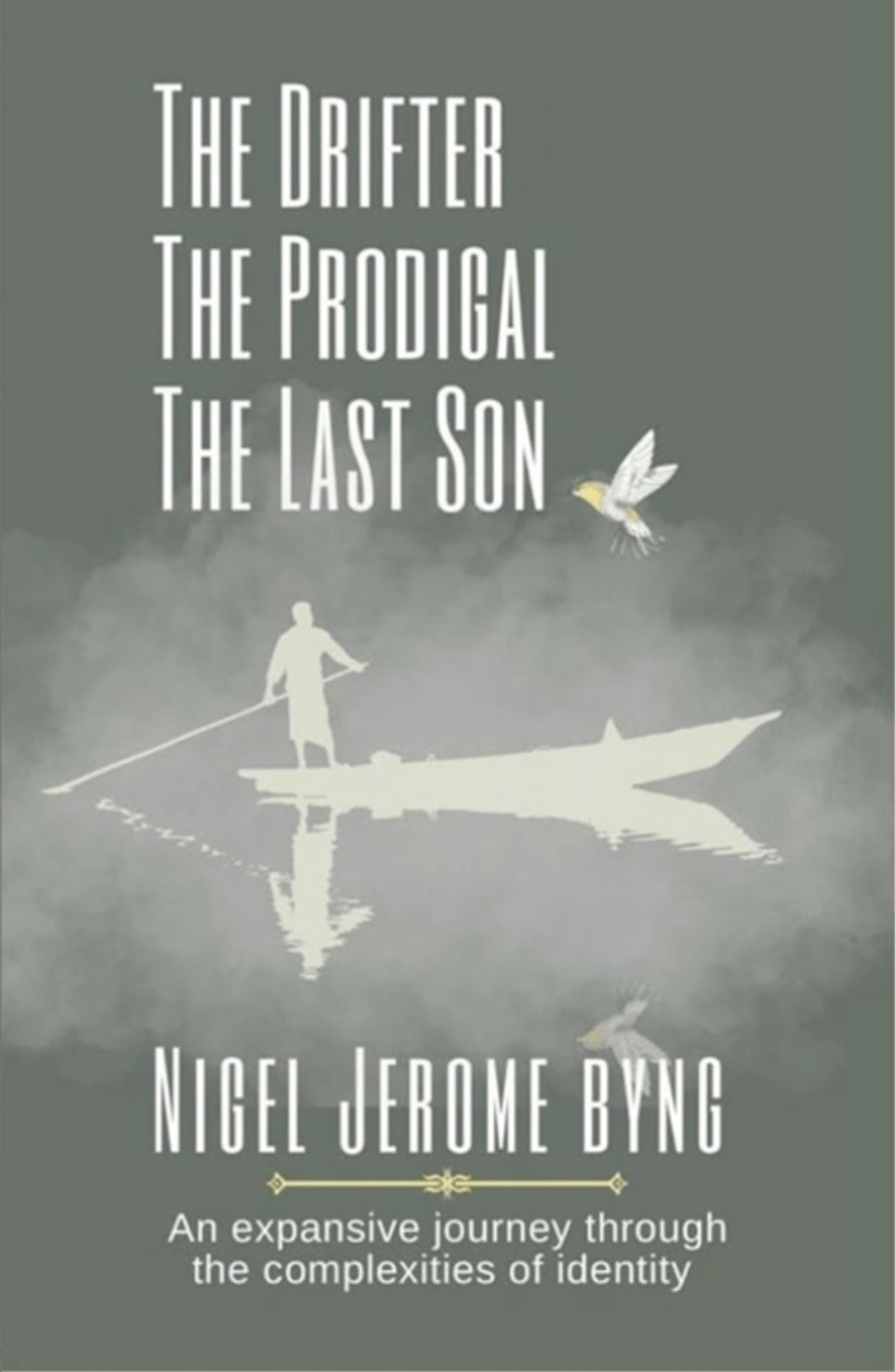
- Bronzed by Nigel Byng (Inner Sunshine StateA collection of 5 poems about Florida) Hues of humanityPeppered across sidewalksMelanin tweaks of […]
- «Sweetbriar» A Book Review by Maggie Watson For a debut, Rowena Suarez has set the barwith this stunning collection of […]
LatinosUSA (en español)
- Lia NCL es el nombre propio de una revolución artística multidisciplinar, una creadora total que ha logrado fusionar sus diferentes […]
- ARTURO BLAKE Le dieron a oler a un grupo de personas un libro de 1928. Sin decirles qué era, sin […]
Diseñado con WordPress / Idea y desarrollo by J. Ré Crivello
MasticadoresAfrica —Today’s publications
- Translated from the original Arabic by Nader Aweti My mother could not protect herself from the malice of the old woman who came regularly to our house under the pretext of kinship — a kinship whose authenticity I still doubt. […]
- Dear Mr. President, I am a photographer with huge concerns for the environment. Please allow me to tell you a story about my Mama’s village. You see, once upon a time, in the middle of the village, there existed a […]
 LatinosUSA